


Bird Guy Tours – First Group Walk of 2026
Exploring nature on foot offers a unique chance to connect with the environment and observe wildlife in their natural habitats. Recently, I embarked on two scenic walks that revealed some remarkable sights, with the highlight being the elusive Ross's Goose. These walks not only provided stunning views but also a memorable encounter with this distinctive bird species. This trip report shares the details of these walks, the landscapes encountered, and the moments that made the experience unforgettable.
Setting Out on the First Walk
The first walk began early in the morning, with crisp air and soft light filtering through the trees. The trail followed a gentle path alongside a marshy area known for its rich birdlife. The quiet surroundings allowed for close observation of various waterfowl and songbirds. The highlight came when a small flock of Ross's Geese appeared, their white plumage contrasting sharply against the darker water and vegetation.
Children’s Lake & Wittlinger Nature Preserve
January 17, 2026
Our first group walk of the year kicked off with a fantastic morning of winter birding in Boiling Springs. Despite the cold, the turnout was enthusiastic, and the birds delivered—from rare geese to charismatic wrens and winter finches. We split the morning into two short walks: a waterfowl‑heavy loop around Children’s Lake, followed by a woodland‑focused stroll through Wittlinger Nature Preserve.
Stop 1: Children’s Lake
20 species (+2 other taxa), 343 individuals 17 minutes • 0.25 miles ebird.org
Children’s Lake was lively from the moment we arrived. Hundreds of Canada Geese dominated the scene, but the highlight was a continuing Ross’s Goose, giving everyone excellent scope views. A mix of domestic‑type geese and ducks added color and confusion—always a fun teaching moment for newer birders.
Diving ducks were present in small numbers, including Ring‑necked Ducks, and a pair of Ring‑billed Gulls drifted overhead. A surprise Bald Eagle cruised by, prompting the group’s first “ooooh!” of the year.
Along the lake edges, we picked up Winter Wren, Carolina Wren, White‑breasted Nuthatch, and a cooperative Eastern Bluebird. A small flock of European Starlings swirled through the trees, while American Robins, Dark‑eyed Juncos, and White‑throated Sparrows rounded out the passerines.
Notable species:
Ross’s Goose (continuing)

Bald Eagle
Ring‑necked Duck
Winter Wren
Eastern Bluebird
Stop 2: Wittlinger Nature Preserve
24 species, 83 individuals 47 minutes • 0.64 miles ebird.org
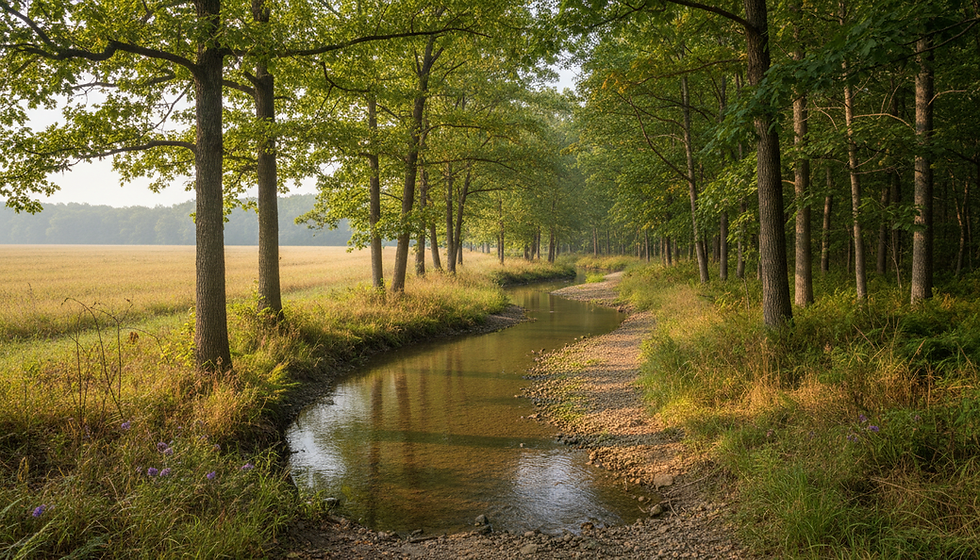
Our second walk shifted into quiet woods and streamside habitat. The contrast with Children’s Lake was immediate—fewer birds overall, but a richer mix of woodland species.
A Great Blue Heron stood motionless along the creek, while a Belted Kingfisher rattled its way upstream. Woodpeckers were active, with both Red‑bellied and Downy Woodpeckers giving great looks.
The group enjoyed excellent views of Hermit Thrush, with three individuals feeding along the trail. A single Winter Wren again made an appearance, giving everyone a second chance at this tiny skulk. Finches and sparrows were well‑represented, including American Goldfinch, Dark‑eyed Junco, and White‑throated Sparrow.
Notable species:
Great Blue Heron
Belted Kingfisher
Hermit Thrush (3)
Winter Wren
Carolina Chickadee & White‑breasted Nuthatch
Combined Highlights of the Morning
44 total species across both stops
A continuing Ross’s Goose—a great rarity to start the year
Two Winter Wrens across two locations
Hermit Thrush showing beautifully at Wittlinger
A surprise Bald Eagle over Children’s Lake
Excellent mix of waterfowl, woodland birds, and winter finches
A fun, energetic group shaking off the January chill together
Closing Notes
This was a perfect way to launch our 2026 group walk season—great birds, great company, and two very different habitats within minutes of each other. Thank you to everyone who joined us! Our next group outing will be announced soon, and we’re looking forward to building on this strong start to the year.
If you’d like this rewritten in a more formal, humorous, shorter, or more “Bird Town report‑ready” style, just say the word, Andy.
Key Observations from the First Walk
The trail was well-maintained and easy to navigate, suitable for all skill levels.
Bird diversity included mallards, red-winged blackbirds, and great blue herons.
The Ross's Goose flock numbered around a dozen individuals, mostly adults.
The wetland habitat was vibrant with signs of spring growth, adding to the scenic beauty.
This walk lasted about two hours, covering roughly three miles. The combination of peaceful surroundings and wildlife sightings made it a refreshing start to the day.
Exploring the Second Walk
The second walk took place the following day along a different route, featuring a mix of open fields and wooded areas. This trail was slightly longer and offered varied terrain, including gentle hills and a small creek crossing. The weather was sunny and mild, perfect for a longer hike.
Early into the walk, I encountered several groups of waterfowl resting near a pond. Among them was another sighting of Ross's Goose, this time in a larger group mingling with snow geese. Their smaller size and distinct calls helped differentiate them from their close relatives.
Highlights of the Second Walk
The trail offered panoramic views of the surrounding countryside.
Ross's Geese were observed feeding alongside snow geese in shallow water.
Other wildlife included muskrats and a variety of songbirds.
The walk covered approximately five miles and took about three hours.
This route provided a more immersive experience, with opportunities to observe not only birds but also other signs of wildlife activity. The presence of Ross's Goose in two different locations underscored the importance of these habitats for migratory birds.
Tips for Spotting Ross's Goose on Scenic Walks
Ross's Goose can be challenging to identify due to their similarity to snow geese. Here are some practical tips for increasing your chances of spotting them:
Look for smaller size and shorter neck compared to snow geese.
Pay attention to the bill shape: Ross's Goose has a shorter, more rounded bill.
Listen for their distinctive high-pitched calls.
Visit wetlands and marshes during migration seasons, especially in early spring.
Use binoculars or a spotting scope for better viewing without disturbing the birds.
Bringing a field guide or using bird identification apps can also enhance the experience by helping confirm sightings.
Reflections on the Experience
These two walks offered more than just exercise; they provided a window into the lives of fascinating bird species and the ecosystems they depend on. Seeing Ross's Goose in their natural setting was a reminder of the delicate balance in these habitats and the importance of conservation efforts.
The peacefulness of the trails, combined with the thrill of spotting rare birds, made these outings deeply rewarding. Whether you are an avid birder or simply enjoy nature walks, seeking out species like Ross's Goose adds an exciting dimension to outdoor adventures.
Planning Your Own Scenic Walks
If you want to experience similar walks, consider these steps:
Research local wetlands and nature reserves known for waterfowl.
Check recent birdwatching reports or eBird checklists for current sightings.
Dress appropriately for the weather and terrain.
Carry water, snacks, and a camera or binoculars.
Respect wildlife by keeping a safe distance and staying on marked trails.
By preparing well, you can maximize your chances of encountering special wildlife and enjoying the natural beauty around you.

Comments